Summary: Parts 1 and 2 began by describing the sudden collapse of my life after my family’s business failed, our childhood home and subsequent accommodations were taken from us, and I was forced to abandon my PhD and academic career at the University of Cape Town. My mom, my dog Lilly, and I experienced periods of homelessness, lived through extremely difficult and uncertain circumstances, and eventually moved to a remote farm in rural South Africa, where we worked manual labor in exchange for shelter. Yet, throughout those difficult months, small acts of unexpected kindness occasionally gave us temporary relief and helped us keep going. They preceded our exodus from Cape Town.
This post (Part 3) describes us leaving Cape Town. We settle in a poor village shack, where life was difficult but at least we had temporary shelter. I would later search desperately for work in nearby Swellendam. During this difficult period, an elderly tenant named Sue became a source of kindness and support before our paths eventually separated.
Exodus
By early afternoon, the car was considerably lighter. Five of my pets had, tragically, in those week become just one, and we had managed to store some of our belongings elsewhere—only to learn later that they had been stolen.
But when you have lost your home and livelihood, you quickly learn how much of what you once owned you never truly needed. Books, paintings, dishes, cups, video games, carpets—all the things that once made a home feel like home. Without a home to put them in, possessions become less like comforts and more like things that weigh you down. Knowing this, however, does not make it any easier to part with them. It is strange how much sentimentality a mere cup or painting can come to hold.
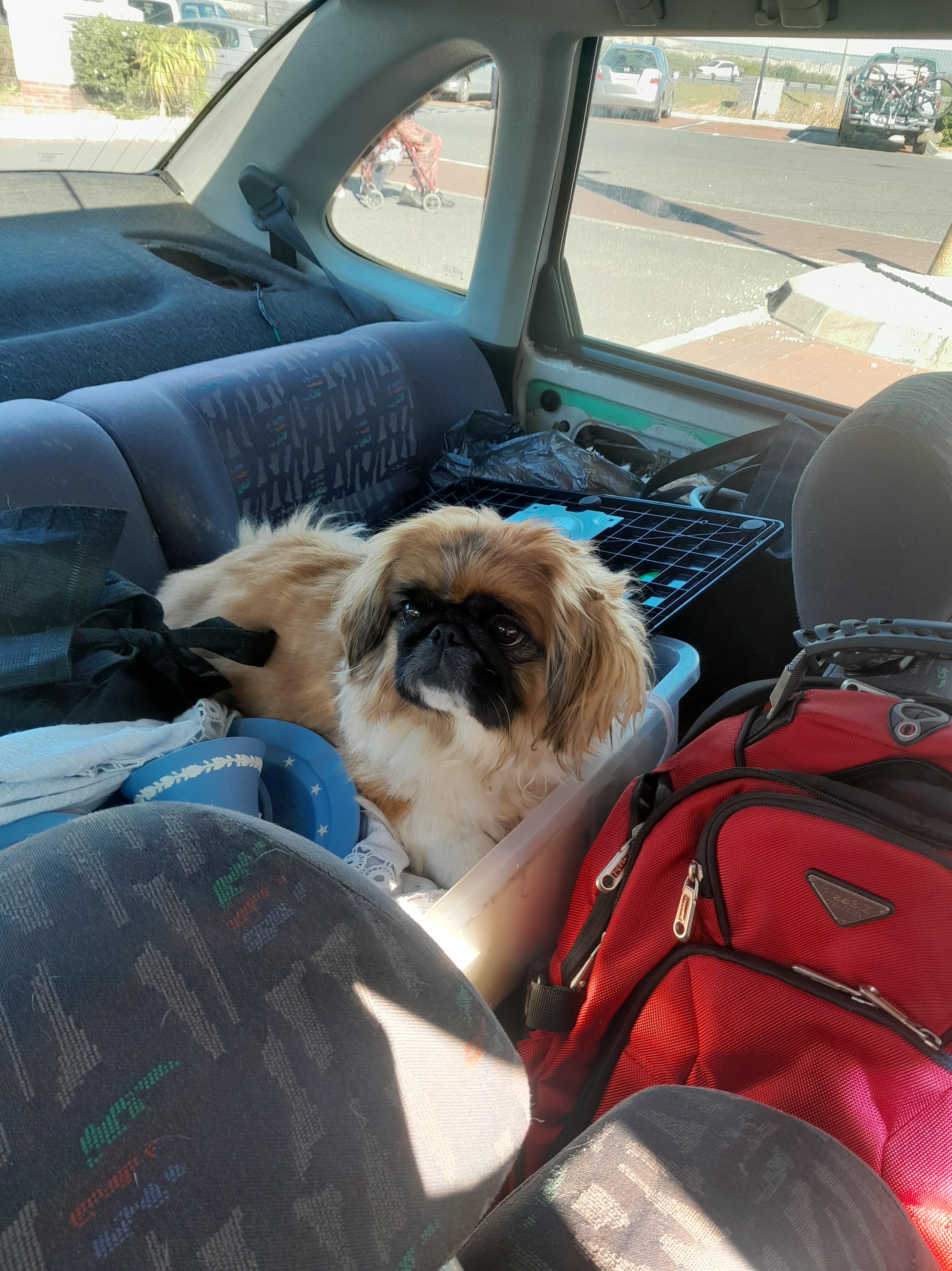
The time had now come to leave Sally’s home. If you recall, Sally, my sixth-grade teacher from junior school, had given my mom, Lilly, and me a place to stay for about a month. At the time, she was in the process of selling her home and moving into a retirement village. She had allowed us to stay until she made the move.
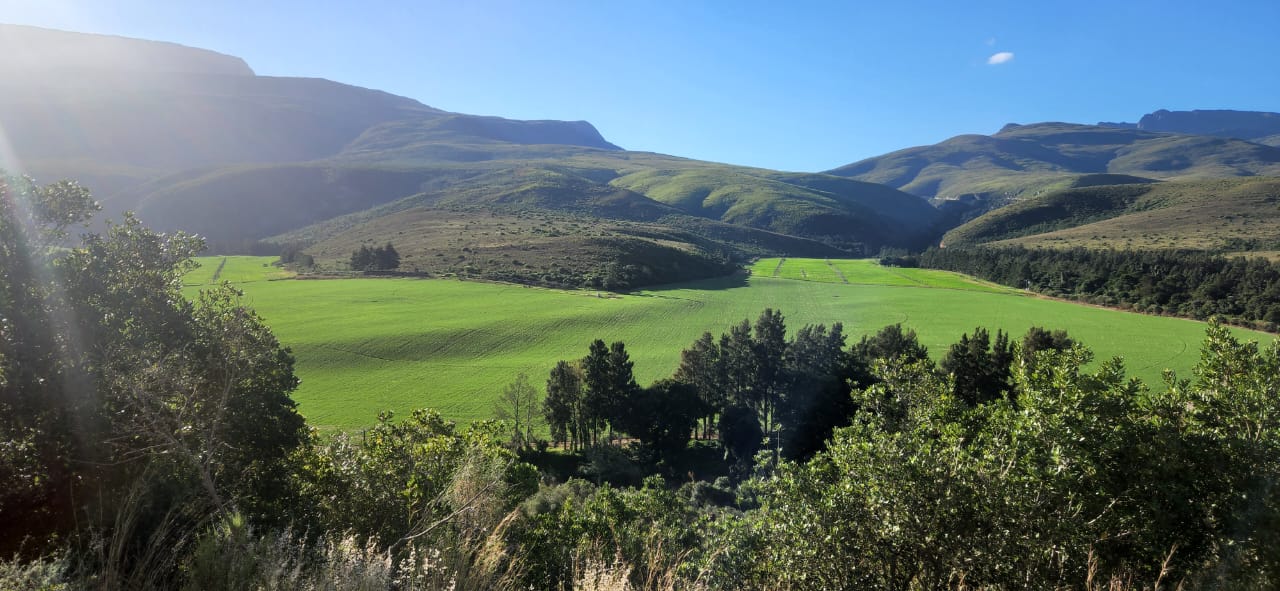
So, in our old car, we took the road through the Overberg, heading from Cape Town towards Swellendam. Despite the grim circumstances, it was impossible not to notice just how remarkably beautiful the Overberg is. Really. Nothing I have seen in Korea comes within a country mile of it. South Africa is truly beautiful.
Nonetheless, our destination was not Swellendam itself, a town of roughly 25,000 people, but a much smaller, one-road village about 30 to 40 minutes away, with a population of around 2,200. Swellendam was small, but it served as the main center for industry and employment for people living in the surrounding villages.
We knew Swellendam well enough. Throughout my childhood, my family had driven through and past it countless times. It lay along a major route through this part of the country and on the way to many of our former holiday destinations. Those memories remained, even as our circumstances had changed dramatically.
Before long, I would find myself walking through Swellendam, stopping at one business after another, asking for work and handing out the last of the CVs I could afford to print with the little money we had left. These are stories and experiences for a future post.
The Will to Survive
The events and days that preceded this had been terrible, disastrous, and frightening. But it is here that retelling the story becomes hardest for me. If, over the three decades of my life, I had experienced five or six truly awful days, four of them would have occurred during those moments between Swellendam and the village.
But we are not there yet in the story. We had just left Cape Town that early afternoon in 2024. I do not remember the journey itself particularly well, only that we left carrying fearful and heavy hearts. Yet there was some hope and relief in knowing that we had bought ourselves some time—roughly a handful of months to use as a base.
I knew my mom and Lilly would be safe for that time. More importantly, I knew I had been given a chance to ensure that we could survive without being separated.
I had promised my mom and Lilly that we would never separate. But in reality, I knew I could not control the circumstances that lay ahead. What I could control was how hard I would fight to keep us together. And I would have died trying.
I knew that most homeless shelters did not allow pets, meaning we would have had to surrender Lilly. And my mom and I might have been forced to separate too. And if I had to choose between them and myself, I would do everything in my power to make sure they had somewhere safe to stay, even if it meant sleeping outside in the rain myself.
The Village, The Shack
We arrived in the village. The village itself was beautiful—a mixture of township and wealthier residential homes across the river, tucked away in a small valley and seemingly hidden from the rest of the world. There was one road in and one road out. Cows and sheep wandered along the gravel roads, surrounded by beautiful green hills.
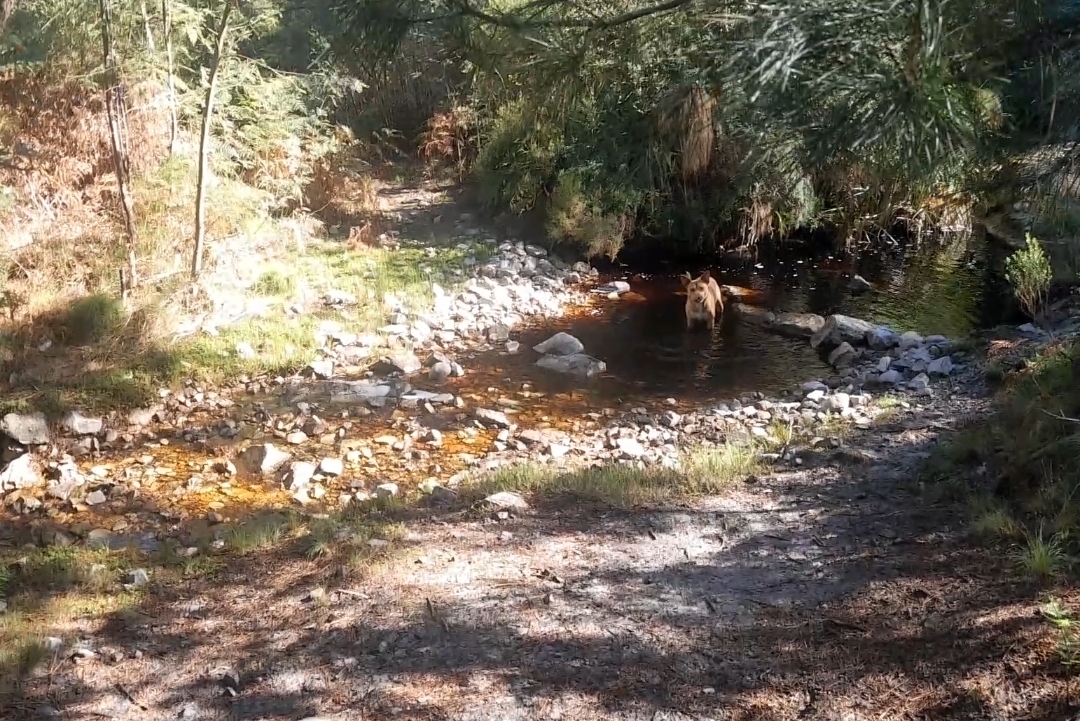
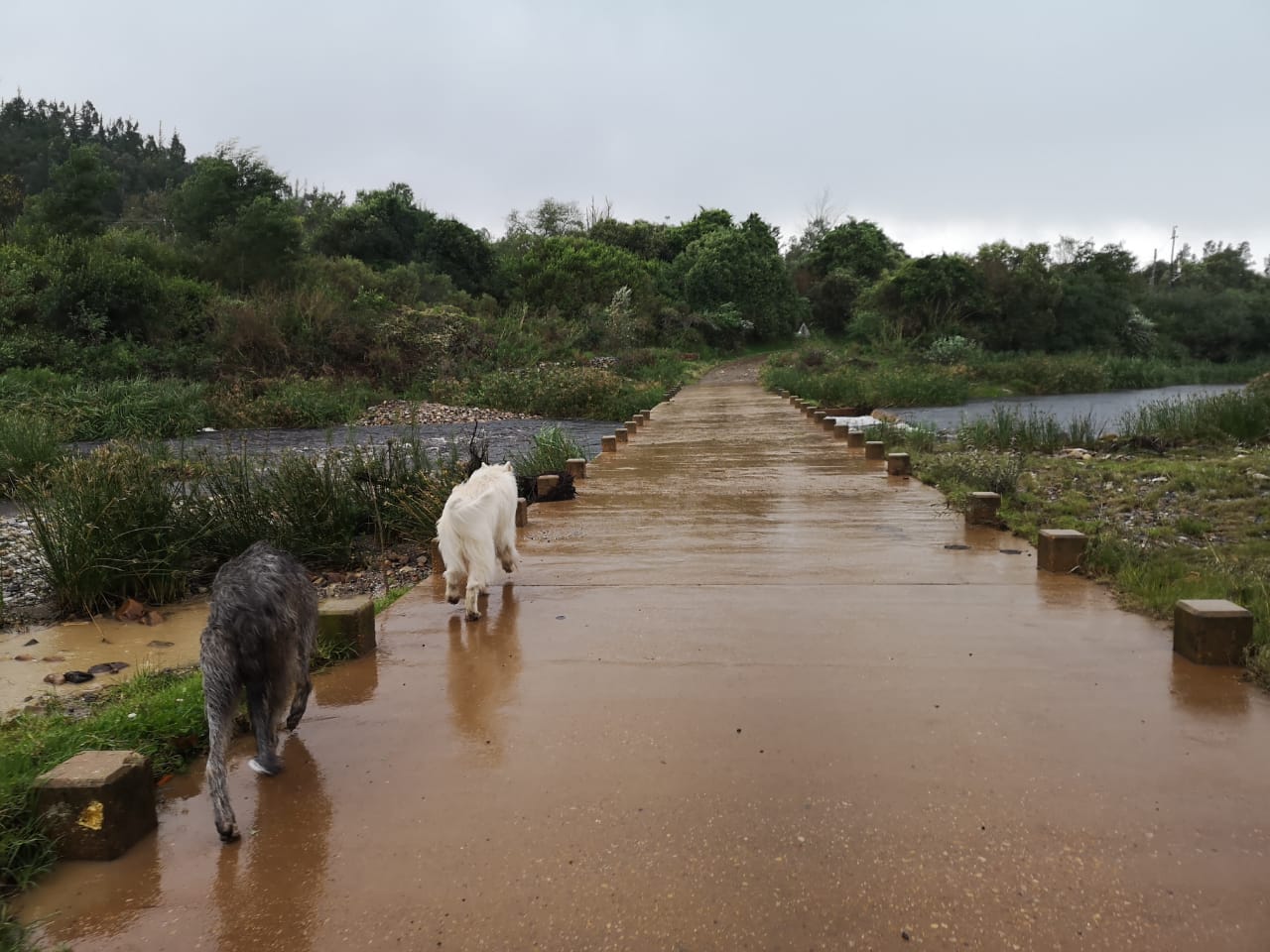
Some freezing mornings, in the early hours, I would take off my shoes, roll up my trousers, and wade through the water just to make it to the other side. Dry myself and continue.
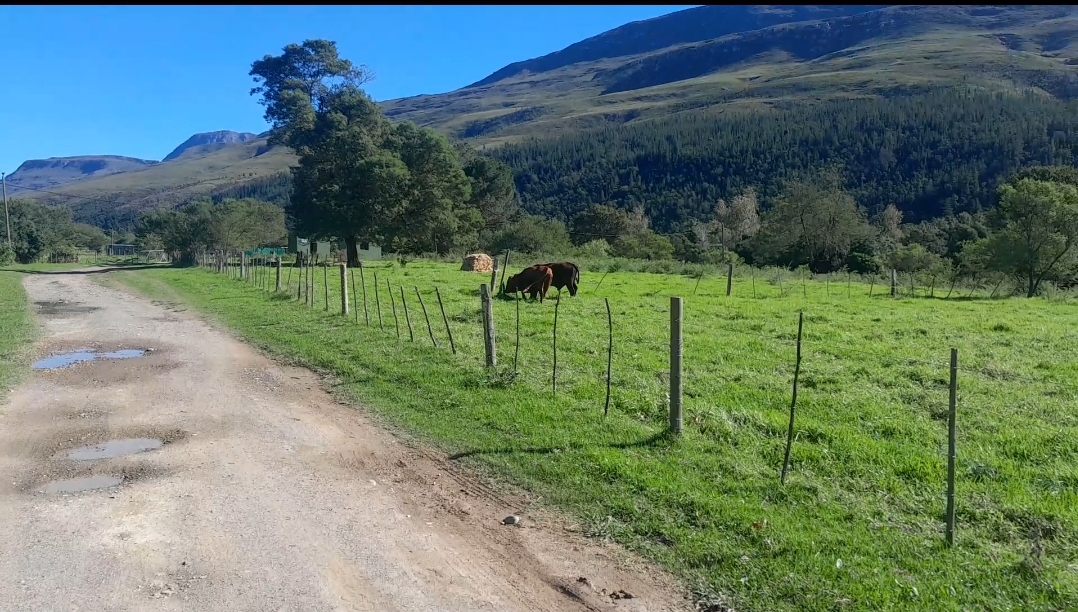
The place where we were to stay was located near the entrance to the village. It was a small, shack-like structure attached to a rundown and poorly maintained house. Roosters wandered freely around the property, while cat faeces stained the main house’s windowsills.
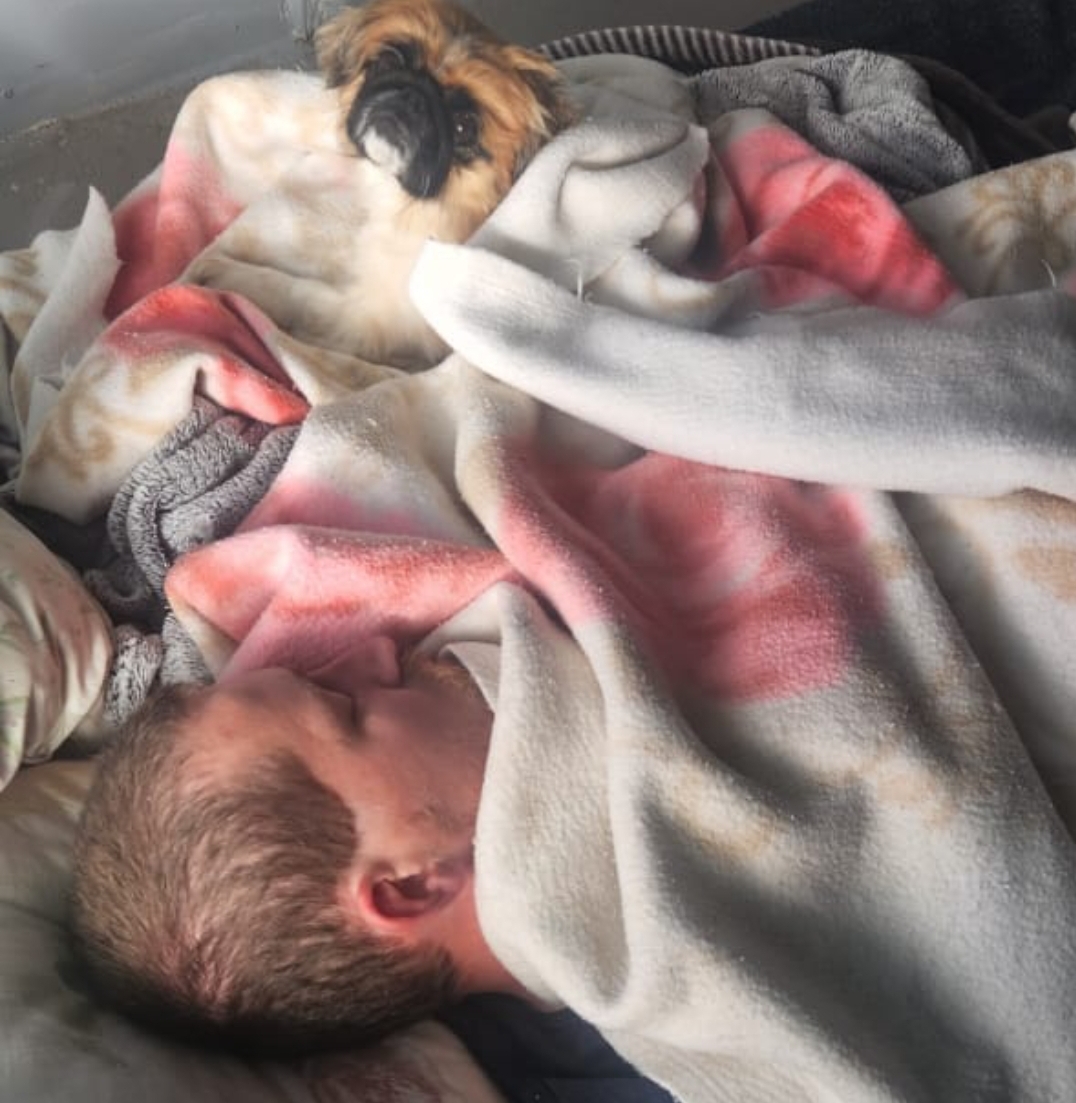
This was the place where we would spend the next few months. And, unsurprisingly, the accommodation matched its cheap price. One bedroom. Hollowish walls. A barely functional shower. Bugs, cockroaches, and flies infested the inside, while the overgrown backyard was home to snakes. There was no bed and no furniture, apart from a few plastic chairs and the microwave we still had at the time. We had one single-bed mattress, which my mom, Lilly, and I would share. It was a truly terrible state of affairs. But it was this shack or nothing.
The landlady did little to improve the situation either. She had significant mental health difficulties and received ongoing medication from the village clinic. At times, she would try to demand additional money from us that was not part of the signed contract, and she clashed with tenants, sometimes resulting in loud verbal outbursts.
I want to be clear that I have nothing against people living with mental health difficulties. I understand that these are real struggles, and I have compassion for anyone dealing with them. But I also believe that managing one’s own wellbeing, where possible, is both important and necessary. In my view, the landlady did not appear to take those necessary steps.
Sue
There were a few separate tenants on the property. We would eventually become close to one of them—an elderly woman I will call Sue.
Sue was feisty. She could shoot straight. She also had her own story, and her own account of the misfortunes that had brought her, along with her Jack Russell, to that village and to that same accommodation.
Sue had very little herself, but she was blessed with a small, although unreliable monthly income. Despite having so little, she was there for us—and especially for me—during some of the darkest days I experienced in that village.
She always welcomed me into her place. She paid a little more than we did for her accommodation, which meant she had enough space for a bed, a small kitchen, and a couch.
I would sit on that couch, sometimes for hours, as we shared the tragedies and hopes of our lives, our fears and our plans. We laughed together, we sometimes shed tears together, and we encouraged each other to keep going. She even became my temporary barber, using her clippers to shave my head, helping me save the money I had.
Sue was fortunate enough to escape that property and move into a better, slightly more expensive place, although still within the same village she so desperately hoped to leave. She would remain there for some time after my mom and I were eventually forced to leave for a homeless farm shelter several hours away.
Two years later, as I write this from a coffee shop in Korea, I know that Sue no longer lives in that village. She found a way out. Wherever you are now, Sue, I want you to know that I have not forgotten you. Thank you for being there when I needed someone most.
Part 4: A Life Unravelled: “Trevor” (forthcoming)


[…] Part 3: The Village […]